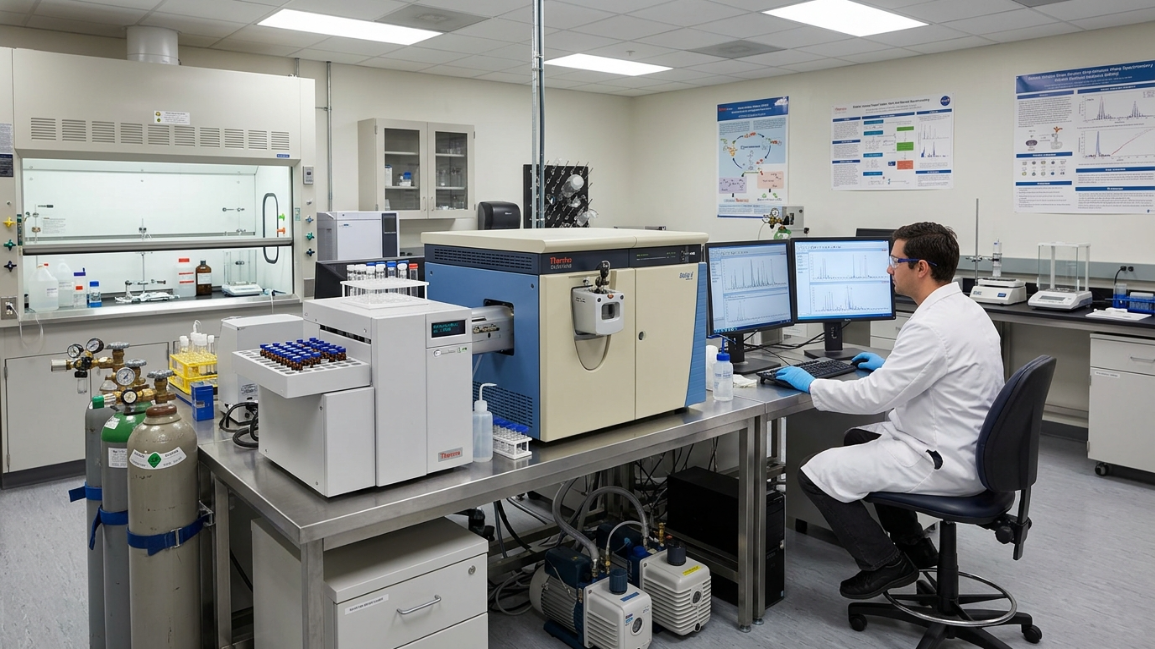
How Forensic Archaeology Solves Historical Cold Cases: 7 Scientific Breakthroughs
For centuries, countless historical mysteries appeared impossible to solve. Human remains lay buried beneath abandoned battlefields, forgotten cemeteries, collapsed settlements, and remote wilderness areas, carrying secrets that seemed destined to remain hidden forever. Traditional archaeology could uncover artifacts and reconstruct ancient cultures, but it often struggled to answer the most pressing investigative questions: Who was this person? How did they die? Was their death natural, accidental, or the result of violence?
Today, that has changed dramatically.
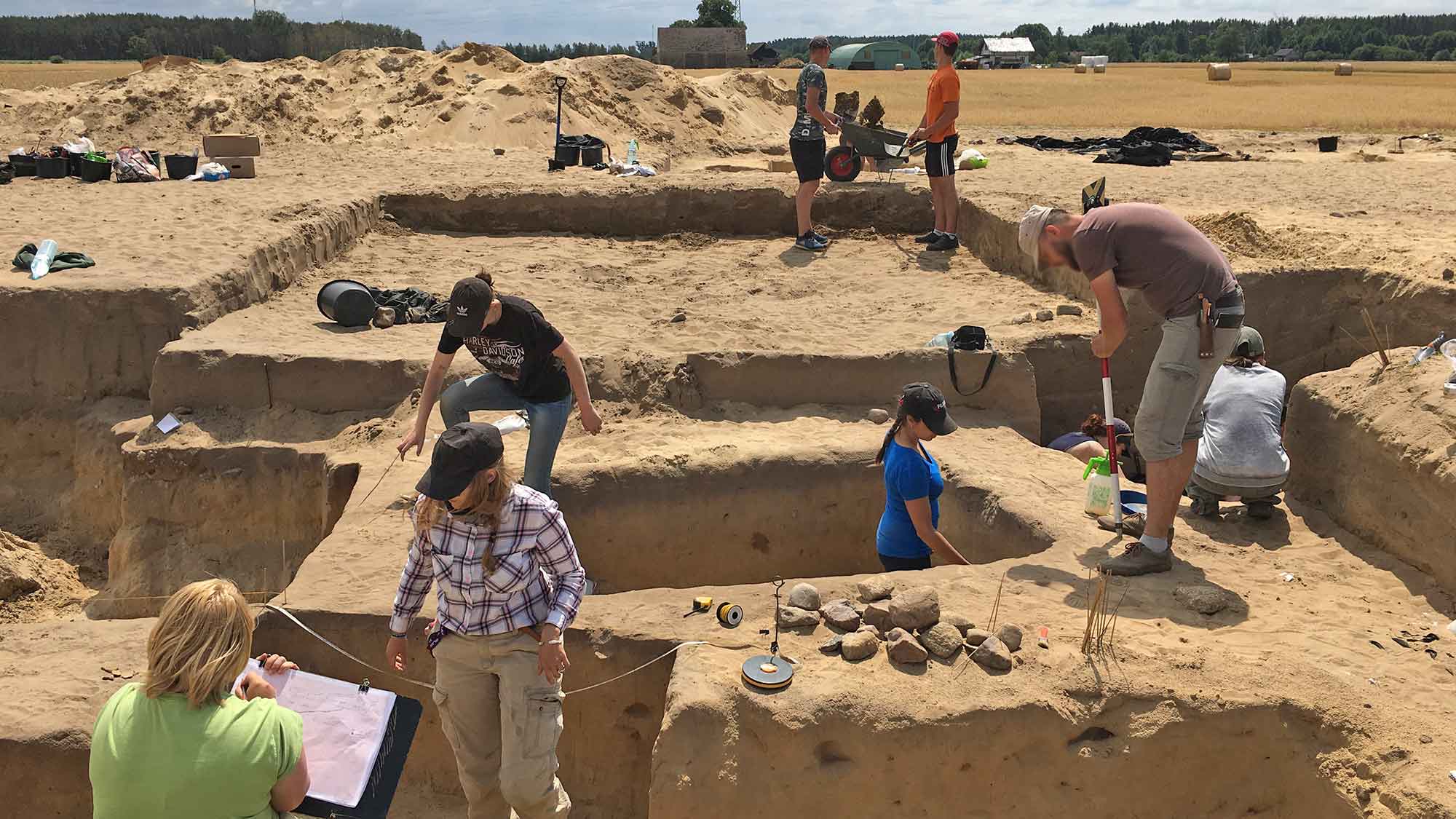
Modern forensic archaeology combines archaeological excavation techniques with forensic anthropology, pathology, genetics, chemistry, and digital mapping to investigate historical deaths with remarkable precision. Rather than simply recovering artifacts, forensic archaeologists treat excavation sites as crime scenes, carefully documenting every layer of soil, bone fragment, artifact, and environmental clue before reconstructing events that occurred decades—or even centuries—earlier.
Whether identifying soldiers from forgotten battlefields, uncovering victims of political conflicts, or reexamining famous historical mysteries, forensic archaeology has transformed the way investigators approach historical cold cases.
Table of Contents
- What Is Forensic Archaeology?
- Why Historical Cold Cases Can Still Be Solved
-
- Ground-Penetrating Radar Reveals Hidden Graves
-
- DNA Analysis Restores Lost Identities
-
- Stable Isotope Analysis Reconstructs Life Histories
-
- Trauma Analysis Reveals the Cause of Death
-
- Burial Patterns Reveal Criminal Intent
-
- Digital Mapping Reconstructs Ancient Crime Scenes
-
- Modern Technology Continues to Solve Historic Mysteries
- Key Takeaways
- Frequently Asked Questions
- Further Reading & Sources
What Is Forensic Archaeology?
Unlike traditional archaeology, which focuses primarily on understanding past civilizations, forensic archaeology applies archaeological methods directly to legal and investigative questions involving human remains.
Every excavation follows strict scientific procedures. Before a single bone is removed, archaeologists create detailed maps, photograph each layer of soil, record artifact locations, and preserve contextual evidence that could explain how a burial occurred.
This careful documentation allows investigators to reconstruct events long after witnesses have disappeared and written records have faded.
The discipline has become particularly valuable in historical cold cases where physical evidence has remained buried for decades or centuries.
Why Historical Cold Cases Can Still Be Solved
Many people assume that time destroys evidence.
Ironically, certain environments preserve it.
Dry deserts, frozen alpine regions, peat bogs, sealed tombs, and waterlogged sediments often protect bones, clothing, pollen, insects, and even microscopic DNA.
Modern laboratories can now extract information from remains once considered scientifically useless.
Instead of asking only “Who died here?”, investigators can often determine:
- Age
- Biological sex
- Geographic origin
- Diet
- Disease history
- Previous injuries
- Occupation
- Family relationships
- Cause of death
These discoveries transform archaeological excavations into historical investigations.
1. Ground-Penetrating Radar Reveals Hidden Graves
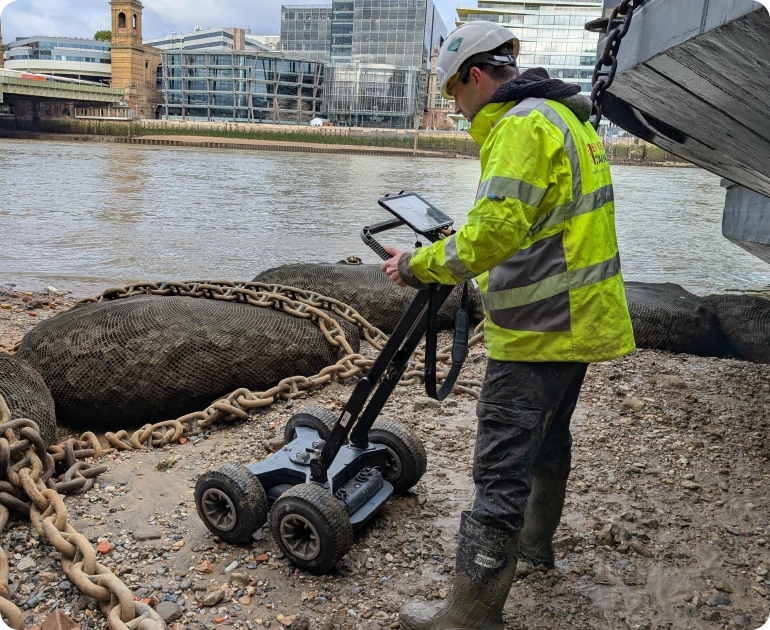
One of the greatest advances in how forensic archaeology solves historical cold cases is the use of Ground-Penetrating Radar (GPR).
Rather than disturbing a site immediately, investigators first scan the ground using electromagnetic waves.
These signals reveal hidden disturbances beneath the surface, including:
- Unmarked graves
- Coffins
- Buried walls
- Ancient foundations
- Mass burial sites
GPR allows archaeologists to target excavations with remarkable accuracy while minimizing damage to fragile historical evidence.
Today, this technology has been used across Europe, North America, and South America to locate forgotten cemeteries, wartime graves, and victims of political violence.
2. DNA Analysis Restores Lost Identities
Perhaps no scientific breakthrough has transformed historical investigations more than DNA analysis.
Even when skeletons are centuries old, fragments of genetic material may survive inside teeth and dense bones.
By comparing recovered DNA with living relatives or population databases, forensic scientists can identify previously unknown individuals.
Ancient DNA has helped investigators:
- Identify missing soldiers
- Confirm royal family relationships
- Reconstruct migration patterns
- Identify victims of disasters
- Resolve long-standing historical debates
Every successful identification restores not only a name but often an entire forgotten family history.
3. Stable Isotope Analysis Reconstructs Life Histories
Bones are biological archives.
Throughout life, people absorb chemical elements from local food and drinking water.
These elements become permanently stored inside teeth and bones.
Using stable isotope analysis, forensic scientists can determine:
- Where someone spent childhood
- Whether they migrated later in life
- Dietary habits
- Marine or inland food consumption
- Seasonal movement patterns
In many historical cold cases, isotope evidence has overturned long-held assumptions about where unidentified individuals originally came from.
4. Trauma Analysis Reveals the Cause of Death
One of the most valuable aspects of forensic archaeology involves examining skeletal trauma.
Bones preserve evidence of violence remarkably well.
Investigators distinguish between:
Antemortem Trauma
Injuries healed during life.
Perimortem Trauma
Injuries occurring at or near death.
Postmortem Damage
Damage caused long after death through weathering, excavation, or environmental processes.
This distinction allows experts to identify whether fractures resulted from accidents, warfare, murder, or natural burial conditions.
Cut marks from blades, blunt-force fractures, projectile injuries, and defensive wounds often remain visible centuries after death.
5. Burial Patterns Reveal Criminal Intent
Burial location often tells its own story.
A carefully prepared cemetery burial differs dramatically from a hurried clandestine grave.
Forensic archaeologists evaluate:
- Body orientation
- Burial depth
- Grave construction
- Position of the limbs
- Associated artifacts
- Soil disturbances
These patterns may indicate:
- Formal funerary practices
- Emergency burials
- Concealed homicides
- Battlefield casualties
- Ritual activity
Context frequently becomes just as important as the skeletal evidence itself.
6. Digital Mapping Reconstructs Ancient Crime Scenes
Modern excavations increasingly rely on digital technology.
Using drones, GPS surveying, LiDAR, and photogrammetry, archaeologists create three-dimensional models of excavation sites.
Every artifact, bone, and soil layer receives precise coordinates.
These digital reconstructions allow experts to revisit excavations years later without disturbing the original site.
They also improve collaboration between archaeologists, anthropologists, and forensic specialists working in different countries.
7. Modern Technology Continues to Solve Historic Mysteries
Scientific advances continue to expand what investigators can learn from historical remains.
Emerging technologies include:
- Artificial intelligence for skeletal reconstruction
- High-resolution CT scanning
- Proteomics for degraded remains
- Environmental DNA (eDNA)
- Advanced radiocarbon calibration
- Machine-learning analysis of excavation data
Many historical cold cases once considered permanently unsolvable are now being revisited using these techniques.
Each technological breakthrough increases the likelihood that forgotten victims will one day be identified.
Conclusion
The evolution of forensic archaeology has fundamentally changed the investigation of historical cold cases.
By combining careful excavation with genetics, chemistry, anthropology, and digital technology, researchers can answer questions that once seemed impossible.
Every recovered skeleton represents more than archaeological evidence.
It represents a human story interrupted by time.
Whether identifying unknown soldiers, reconstructing ancient crimes, or uncovering forgotten communities, forensic archaeology continues to bridge the gap between history and modern science.
As technology advances, many mysteries once believed permanently buried may finally yield their answers—not through speculation, but through careful scientific investigation.
Key Takeaways
- Forensic archaeology treats historical excavation sites as scientific investigations.
- Ground-Penetrating Radar helps locate hidden graves without disturbing the ground.
- DNA analysis has restored the identities of countless historical victims.
- Stable isotope analysis reconstructs migration and diet.
- Trauma analysis distinguishes accidents from violence.
- Digital mapping preserves excavation sites in three dimensions.
- New technologies continue to solve centuries-old mysteries.
Frequently Asked Questions
What is forensic archaeology?
Forensic archaeology applies archaeological excavation methods to investigations involving human remains, helping identify individuals and reconstruct events surrounding their deaths.
Can forensic archaeology solve centuries-old cold cases?
Yes. Advances in DNA sequencing, isotope analysis, imaging, and digital mapping have enabled investigators to solve historical cases once believed impossible.
What is Ground-Penetrating Radar?
Ground-Penetrating Radar (GPR) uses electromagnetic waves to detect buried structures, graves, and other underground disturbances before excavation begins.
How does DNA survive for hundreds of years?
DNA can survive inside dense bones and teeth under favorable environmental conditions such as cold, dry, or protected burial environments.
Further Reading & Sources
Official Resources
National Institute of Justice (NIJ)
https://nij.ojp.gov/
Smithsonian Institution
https://www.si.edu/
National Park Service – Archeology Program
https://www.nps.gov/archeology/
American Academy of Forensic Sciences
https://www.aafs.org/
Academic References
Journal of Archaeological Science
https://www.sciencedirect.com/journal/journal-of-archaeological-science
Forensic Science International
https://www.sciencedirect.com/journal/forensic-science-international
Journal of Forensic Sciences
https://onlinelibrary.wiley.com/journal/15564029
International Journal of Osteoarchaeology
https://onlinelibrary.wiley.com/journal/10991212
Editorial Note
This article is intended as an educational overview of forensic archaeology and its role in historical investigations. It draws upon established archaeological methods, forensic anthropology, genetics, and peer-reviewed scientific research. Where historical case examples are discussed, they are presented based on available scholarly evidence rather than speculation.