Ground Penetrating Radar in Forensic Archaeology: How Hidden Graves Are Found
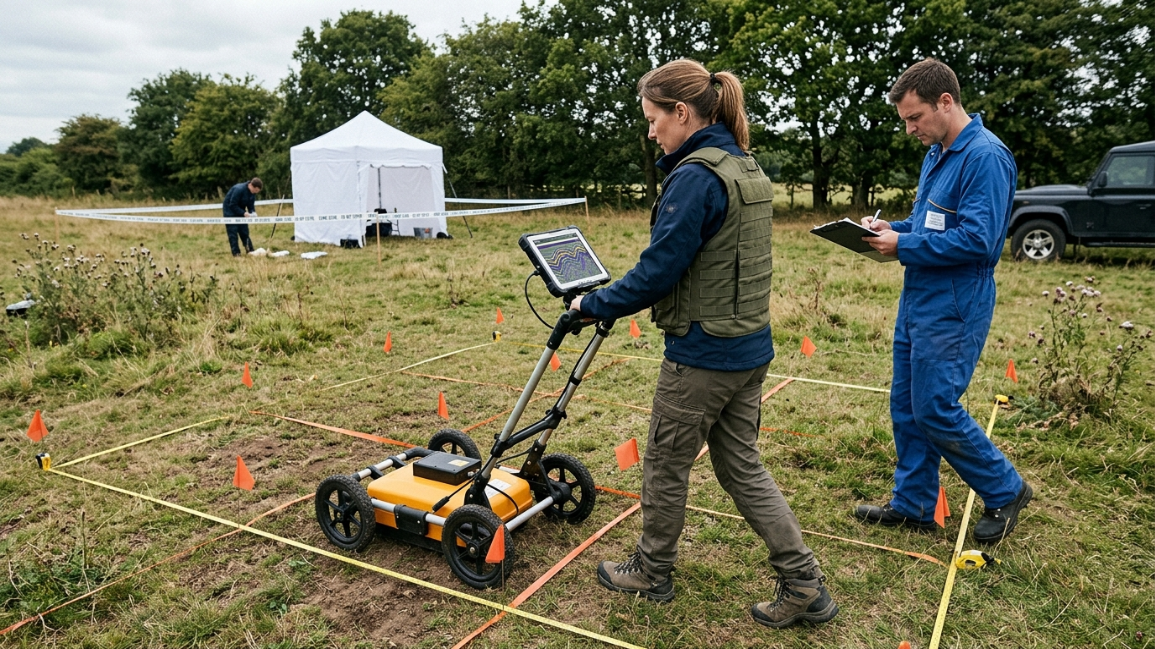
ground penetrating radar in forensic archaeology

Ground Penetrating Radar in Forensic Archaeology: How Hidden Graves Are Found Introduction Locating hidden graves is one of the greatest challenges in forensic archaeology. Whether investigators are searching for victims of historical conflicts, undocumented cemeteries, disaster victims, or evidence connected to criminal investigations, disturbing the ground without clear evidence can be expensive, destructive, and time-consuming. … Read more
Stable Isotope Analysis in Forensic Archaeology: 7 Clues Hidden in Ancient Bones

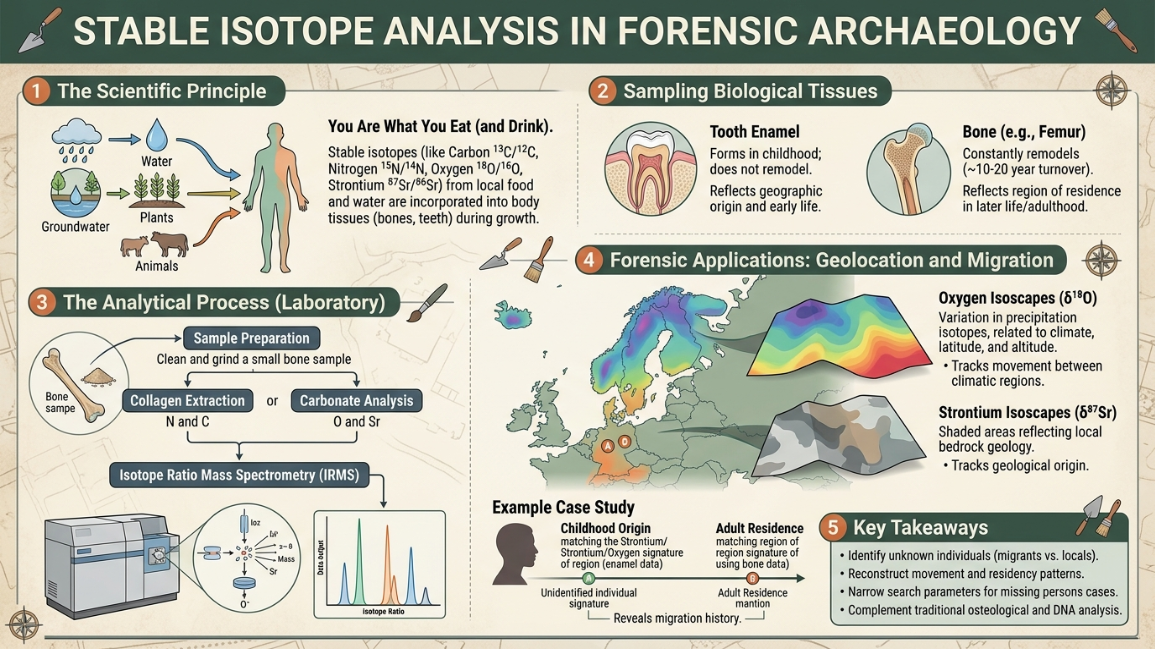
Stable Isotope Analysis in Forensic Archaeology

Stable Isotope Analysis in Forensic Archaeology: 7 Clues Hidden in Ancient Bones Introduction Every human skeleton preserves a chemical record of life. Long after soft tissue has disappeared and written history has been lost, microscopic elements stored inside bones and teeth continue to reveal where an individual lived, what they ate, how they moved across … Read more

How Forensic Archaeology Identifies Ancient Human Remains: 9 Scientific Methods

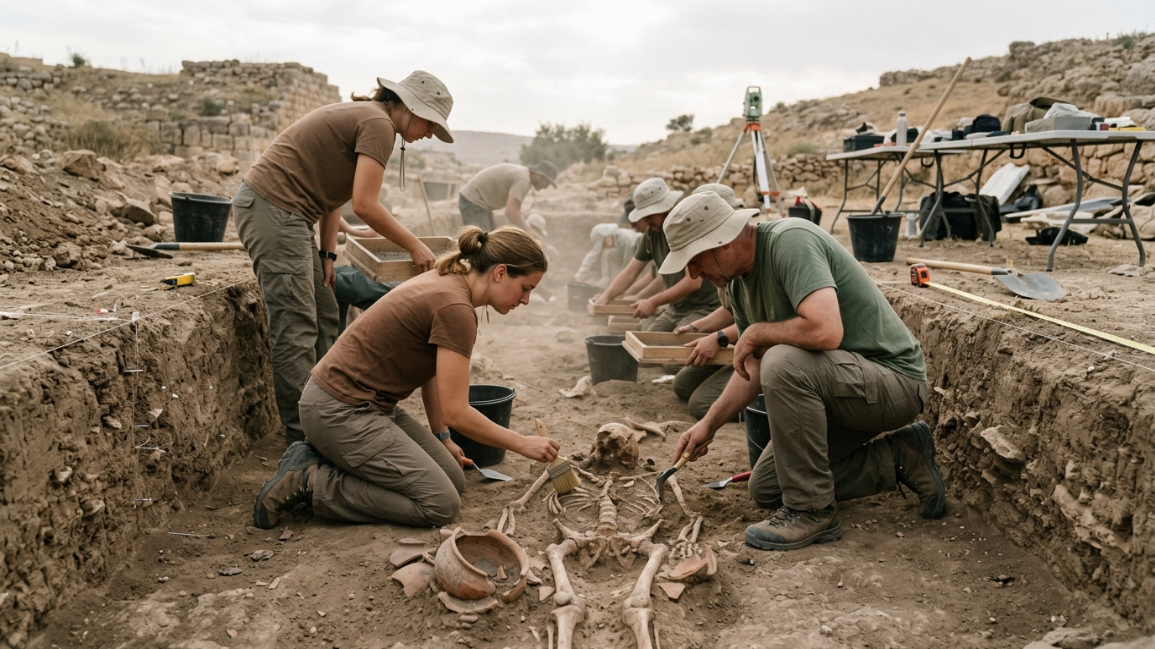
How forensic archaeology identifies ancient human remains

How Forensic Archaeology Identifies Ancient Human Remains: 9 Scientific Methods Introduction Across deserts, forests, battlefields, forgotten cemeteries, and abandoned settlements, thousands of ancient human remains continue to emerge from the ground every year. Some belong to prehistoric communities. Others are victims of wars, epidemics, natural disasters, or historical crimes whose identities disappeared with time. For … Read more

How Forensic Archaeology Solves Historical Cold Cases: 7 Scientific Breakthroughs

Stable isotope analysis forensic archaeology

How Forensic Archaeology Solves Historical Cold Cases: 7 Scientific Breakthroughs For centuries, countless historical mysteries appeared impossible to solve. Human remains lay buried beneath abandoned battlefields, forgotten cemeteries, collapsed settlements, and remote wilderness areas, carrying secrets that seemed destined to remain hidden forever. Traditional archaeology could uncover artifacts and reconstruct ancient cultures, but it often … Read more

Mary Celeste Forensic Analysis: What Modern Science Reveals About the Ghost Ship Mystery

Mary Celeste forensic analysis

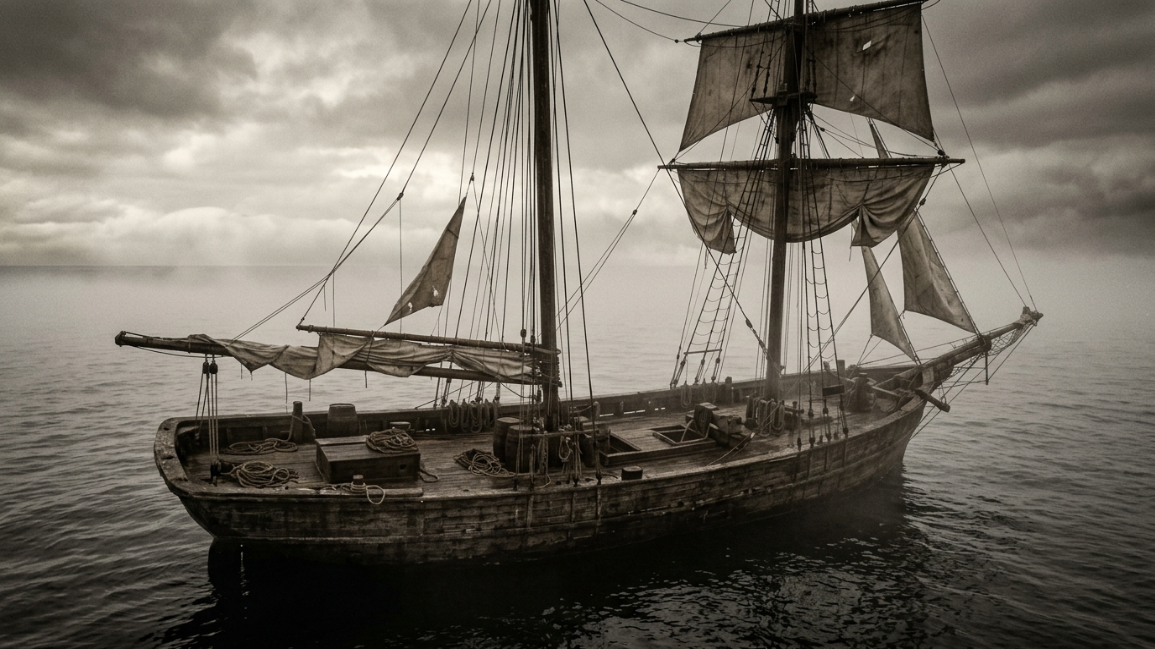
Quick Facts Case Detail Information Discovery Location Drifting completely abandoned in the Atlantic Ocean, 400 miles off the coast of Portugal. Time Period / Date Discovered on December 5, 1872 (Final log entry dated November 25, 1872). Famous Vessel The merchant brigantine Mary Celeste, commanded by Captain Benjamin Briggs. Condition of Cargo 1,701 barrels of … Read more

Sutton Hoo Forensic Analysis: 5 Clues That Reconstructed an Anglo-Saxon King

Sutton Hoo forensic analysis

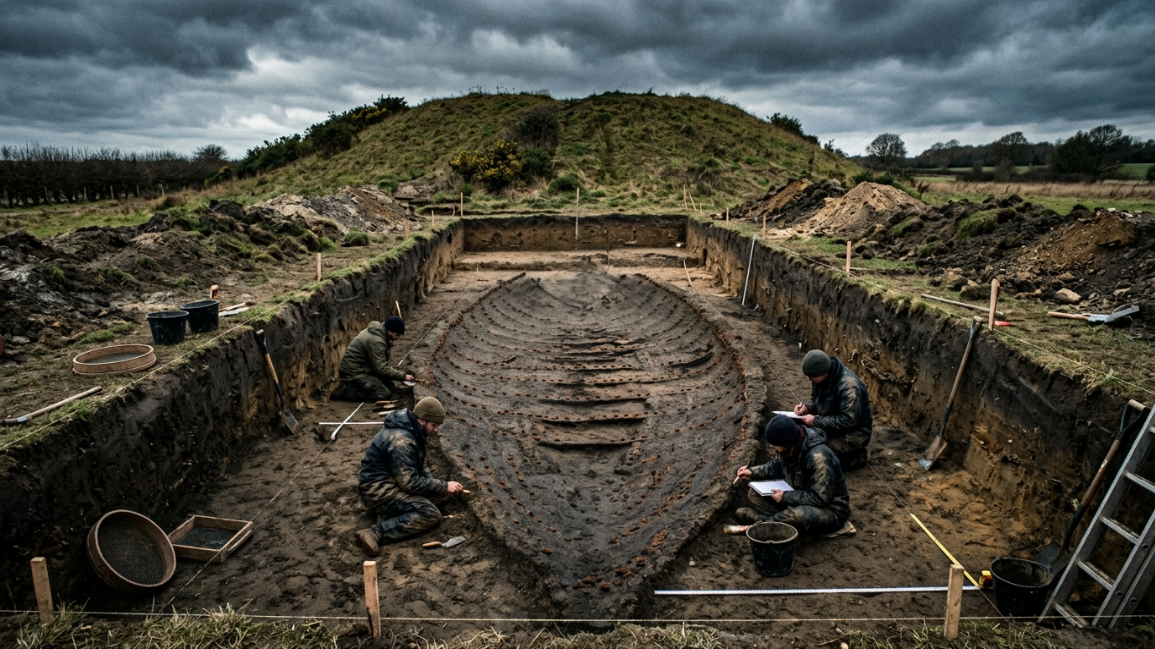
The 1939 excavation of the Sutton Hoo ship burial in Suffolk, England, transformed the study of early medieval Europe. Beneath an unassuming earthen mound, archaeologists uncovered the ghostly imprint of a 27-meter Anglo-Saxon ship surrounding one of the richest burial assemblages ever discovered in Britain. The chamber contained magnificent gold regalia, Byzantine silverware, ornate weaponry, … Read more

Villisca Axe Murders: 5 Forensic Dimensions That Stalled the Case

Villisca axe murders

Few unsolved crimes in American history have attracted as much attention as the Villisca Axe Murders. During the early hours of June 10, 1912, eight people—including Josiah and Sarah Moore, their four children, and two young overnight guests—were killed inside the Moore family home in Villisca, Iowa. All of the victims died from repeated blows … Read more

Ötzi the Iceman Forensic Analysis: 5 Scientific Clues That Reconstructed His Final Hours

Otzi the Iceman Forensic Analysis

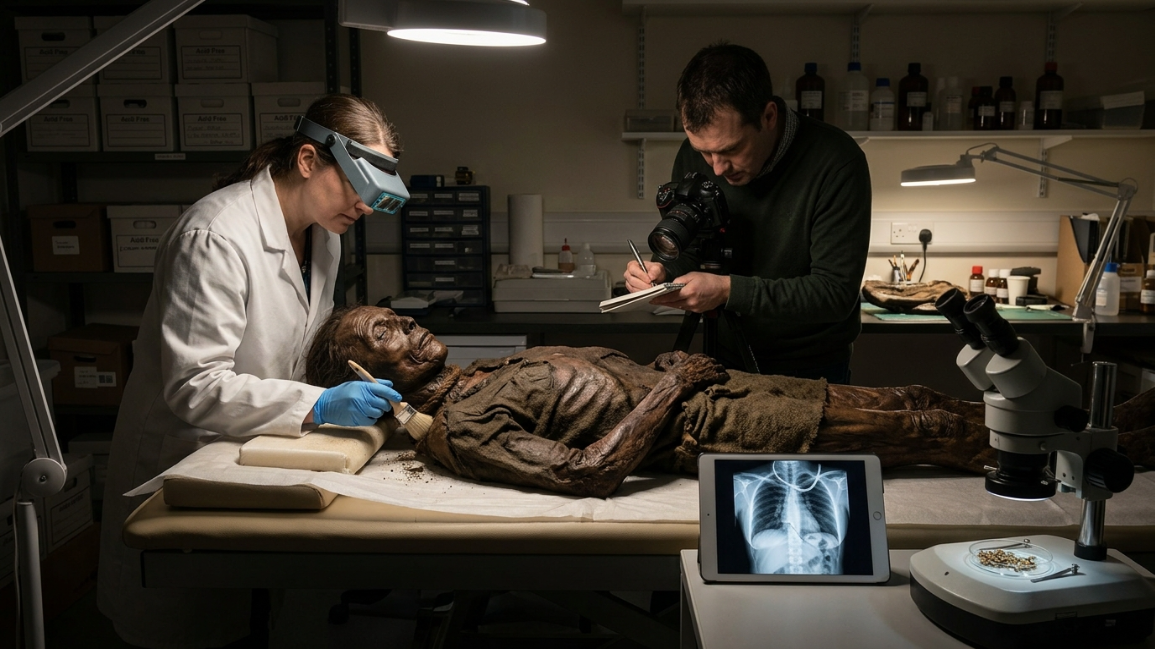
The 1991 discovery of a naturally mummified human body high in the Ötztal Alps along the modern border of Austria and Italy fundamentally transformed the study of prehistoric Europe. Preserved beneath glacial ice for more than 5,300 years, the remarkably intact remains were initially mistaken for those of a recently deceased mountaineer who had succumbed … Read more

Franklin Expedition Cannibalism: What Forensic Evidence Reveals

Franklin expedition cannibals

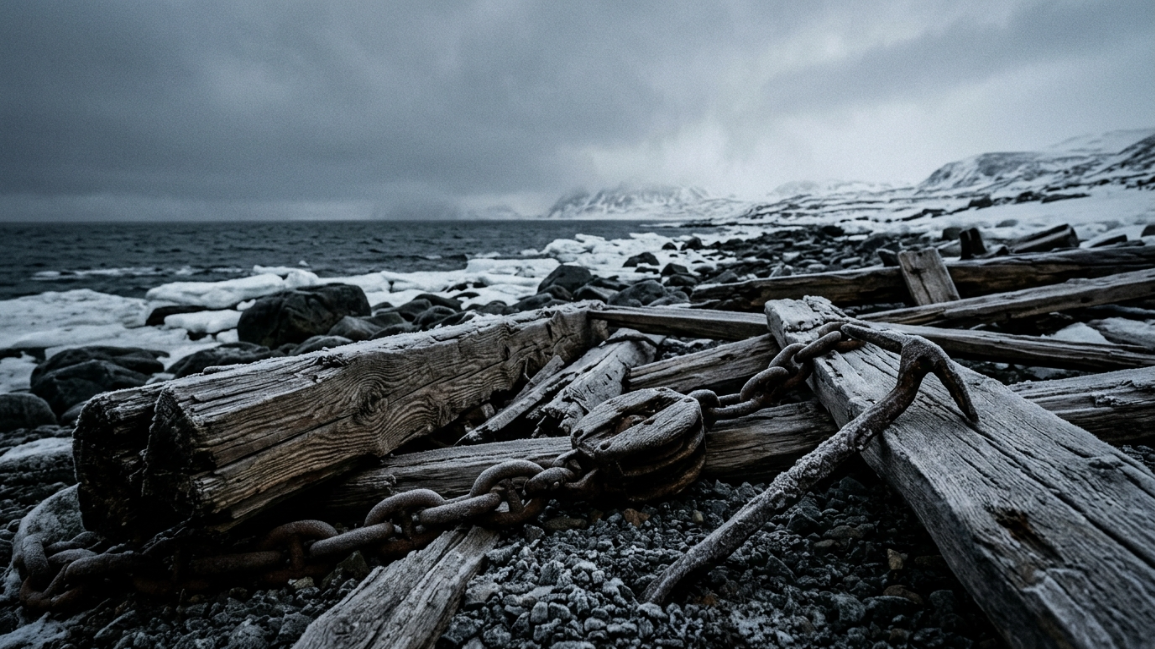
Quick Facts Case Detail Information Expedition Sir John Franklin’s Northwest Passage Expedition Departure 1845 Ships HMS Erebus and HMS Terror Crew Members 129 officers and sailors Location Canadian Arctic, primarily King William Island Outcome Entire expedition perished Modern Significance One of history’s best-documented archaeological investigations into survival under extreme conditions Introduction The fate of Sir … Read more

Bog Bodies: What Modern Forensic Analysis Reveals About Ancient Deaths

Bog bodies forensic analysis

Quick Facts Case Detail Information Discovery Locations Peat bogs across Denmark, England, Germany, Ireland, and the Netherlands Time Period Primarily Iron Age (c. 800 BC–400 AD) Famous Examples Tollund Man, Grauballe Man, Lindow Man, Elling Woman Preservation Naturally preserved skin, hair, internal organs, and soft tissue Cause of Preservation Acidic, oxygen-poor peat bog environment Historical … Read more